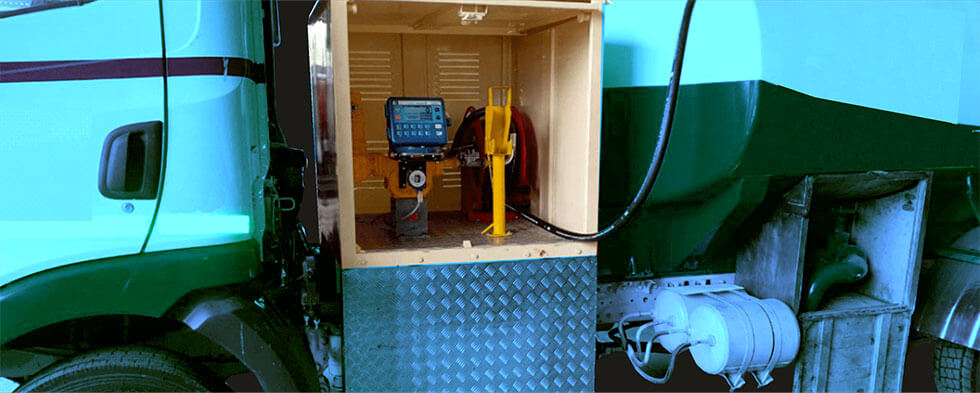
In transportation and logistics, it is crucial to ensure the delivery of materials. Whether it is fuel, grain, or oil, every unit must reach its destination accurately measured.
Truck meters, also referred to as LC meters or
custody meters, play a role in this process. These devices are instrumental in ensuring a dependable exchange of materials.
The Value of Truck Meters
When a tanker truck arrives at a gas station to deliver fuel, in the absence of a measurement system, disputes could easily arise over the quantity delivered. Truck meters resolve this uncertainty by providing a precise record of the material transfer. Here’s how they accomplish this:
- Accurate Measurement: Truck meters are precision tools equipped with flow sensors like flow meters that meticulously monitor both the rate and total amount of material passing through.
- Calibration: These meters undergo calibration processes to guarantee readings. Regular calibration ensures their reliability. Cultivates trust among all parties involved in the transaction.
- Data Logging: Truck meters feature built-in data logging functions for recording information.
This collected information gives an account of the transfer, noting the amount, date, time, and sometimes even the temperature (for materials sensitive to temperature changes). Such data is crucial for billing purposes, managing inventory efficiently, and preparing for audits.
Varieties of Truck Meters to Meet Diverse Requirements
The world of material transportation is extensive, with circumstances calling for metering solutions. Here’s an overview of some types of
truck meters:
- Positive Displacement (PD) Meters: These meters employ mechanisms that capture and measure precise amounts of material in each cycle. Known for their precision, PD meters are perfect for handling liquids, slurries, and even liquefied gases.
- Oval Gear Meters: This type features a pair of oval-shaped gears that interlock to create fixed spaces, measuring volume as they rotate. Oval gear meters excel with low-viscosity liquids such as gasoline, diesel fuel, and water.
- Coriolis Mass Flowmeters: These state-of-the art meters utilise the Coriolis effect (the deflection caused by rotation in a moving mass) to directly gauge mass flow rate. This property of the Coriolis mass flowmeters help them in offering accuracy across an array of liquids and even certain gases.
Deciding on the Right Truck Meter for Your Requirements
When it comes to choosing the truck meter, there are important factors to think about. Here’s a breakdown of aspects you should consider:
- Compatibility with Materials: Different materials have characteristics such as viscosity and abrasiveness. It’s crucial to select a meter that’s compatible with the material being transferred. For example, positive displacement meters work well with materials, while oval gear meters are better suited for low-viscosity liquids.
- Flow Rate Considerations: Take into account the typical flow rates experienced during loading and unloading tasks. Choosing a meter with a flow rate capacity ensures measurements across all levels.
- Accuracy Requirements: The level of accuracy needed will differ based on the application. For high-value materials or critical processes, precision meters like Coriolis mass flowmeters may be necessary.
- Operating Conditions: The environment in which the meter operates is vital. Factors such as temperature, pressure, and exposure to dust or moisture should be taken into account.
- Maintenance Needs: Regular maintenance is key to preserving a meter’s accuracy over time. Opt for meters with components and maintenance procedures that are user-friendly.
Beyond Measuring: Boosting Efficiency with Digital Control Valves
Digital control valves (DCVs) often complement truck meters to enhance material transfer efficiency. These valves can be controlled electronically to precisely regulate flow rates during the loading and unloading processes.
Here are a few advantages to combining DCVs with truck meters:
- Prevention of Spills and Overfills: DCVs can be set to stop the flow once a set amount has been dispensed, reducing product waste and environmental risks.
- Speedier Loading/Unloading: By adjusting the DCVs to optimise flow rates, transfer times can be shortened, enhancing efficiency.
Building Trust and Transparency in Truck Metering
The future of
truck metering holds innovations. Progress in sensor technology and data analysis holds the promise of increased accuracy, efficiency, and transparency in material transfers. Some potential developments include:
- Wireless Data Transmission: Real-time data from truck meters could be transmitted wirelessly to cloud platforms for monitoring and better logistics management.
- Enhanced Diagnostics: Advanced sensors and data analysis could empower truck meters to self-diagnose issues, proactively ensuring peak performance with minimal downtime.
- Strengthened Security Features: Tamper-proof designs and digital encryption may bolster the security of truck meter data, protecting against activities.
Integrating Truck Meters with Fleet Management Systems
Fleet management systems (FMS) are transforming the logistics industry by providing real-time updates on vehicle location, fuel usage, and driver performance. Combining truck meters with FMS brings a new level of efficiency.
- Enhanced Route Planning: By merging FMS data with truck meter readings, companies can optimise delivery routes based on remaining cargo and fuel levels.
- Improved Transparency: Real-time information on material transfers can be integrated into the FMS, giving dispatchers and clients a view of delivery status.
- Reduced Downtime: FMS detects delays and reroutes vehicles promptly, reducing idle time.
- Simplified Reporting: Integrating truck meter data with FMS streamlines the process of creating reports on material deliveries, enhancing transparency and accountability.
Looking Ahead: Advantages of Utilising Premium Truck Meters
Though high-quality truck meters may involve costs, the long-term advantages outweigh the initial investment. Here’s why:
- Dispute Prevention: Accurate measurements minimise discrepancies between delivery firms and clients, fostering trust and smoother business interactions.
- Optimised Inventory Control: Precise data on material quantities ensures inventory management, preventing shortages or excess stock.
- Safety & Regulatory Compliance: Reliable measuring systems play a role in upholding industry regulations and safety guidelines concerning the transportation of materials.
- Cost Savings: Improving the efficiency of loading and unloading operations using truck meters can result in decreased fuel usage and enhanced effectiveness.
Conclusion
Truck meters serve as tools in the transportation and delivery sectors. By ensuring measurements, building trust, and streamlining operations, they play a role in sustaining our economies and supply chains. With advancing technology, truck meters are poised to become more advanced, promising a future of efficient material delivery.
Truck meters go beyond measuring instruments. They are components in the operation of material transportation. By guaranteeing measurements, simplifying processes, and promoting transparency, truck meters significantly contribute to a dependable supply chain. Investing in top-notch truck meters is an investment not for today but for a future marked by seamless and cost-effective material delivery.