by idloginx | Oct 12, 2026 | Quadro
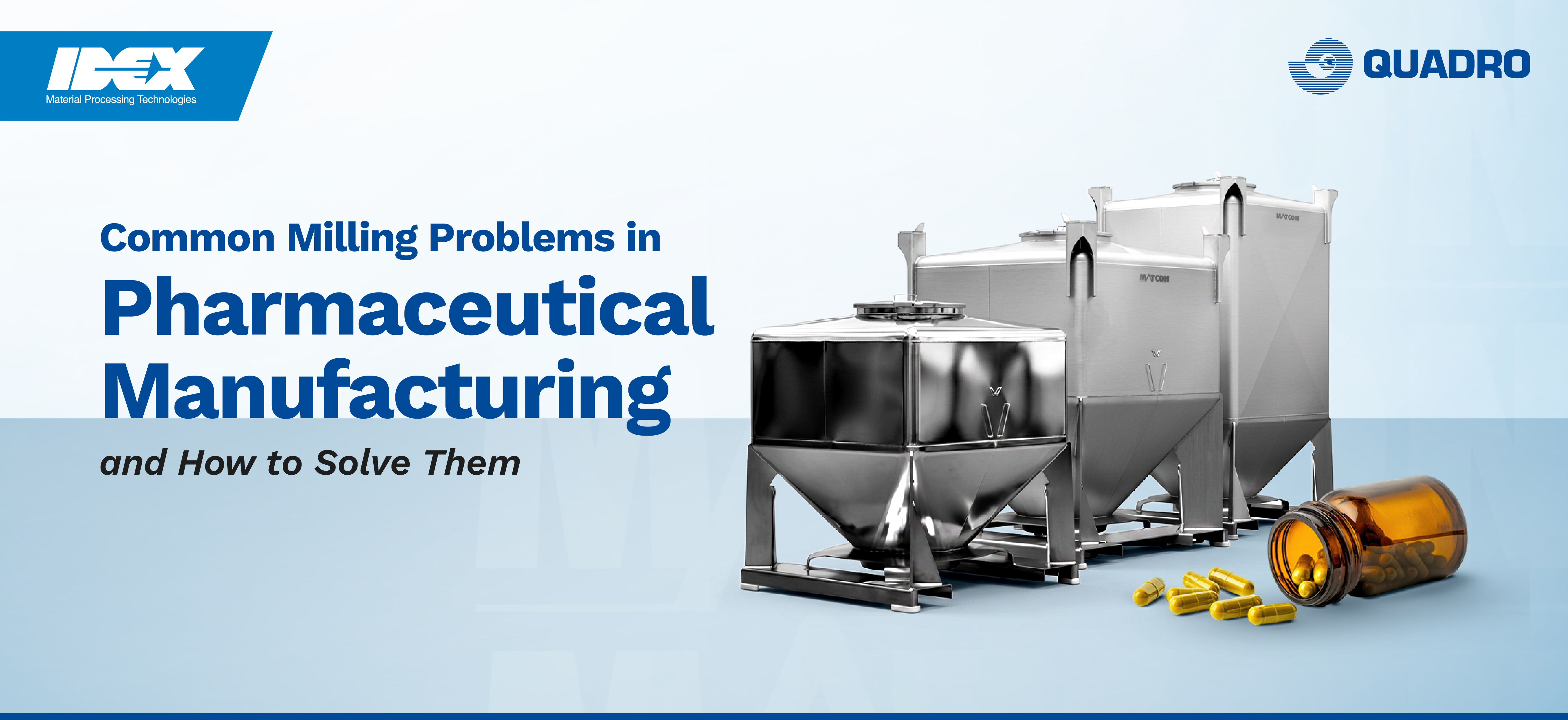
Pharmaceutical milling directly influences particle size distribution (PSD), powder flow, compressibility, dissolution, and overall product quality. Even small variations during milling can lead to excessive fines, heat generation, inconsistent particle size, and...
by idloginx | Oct 8, 2026 | Quadro
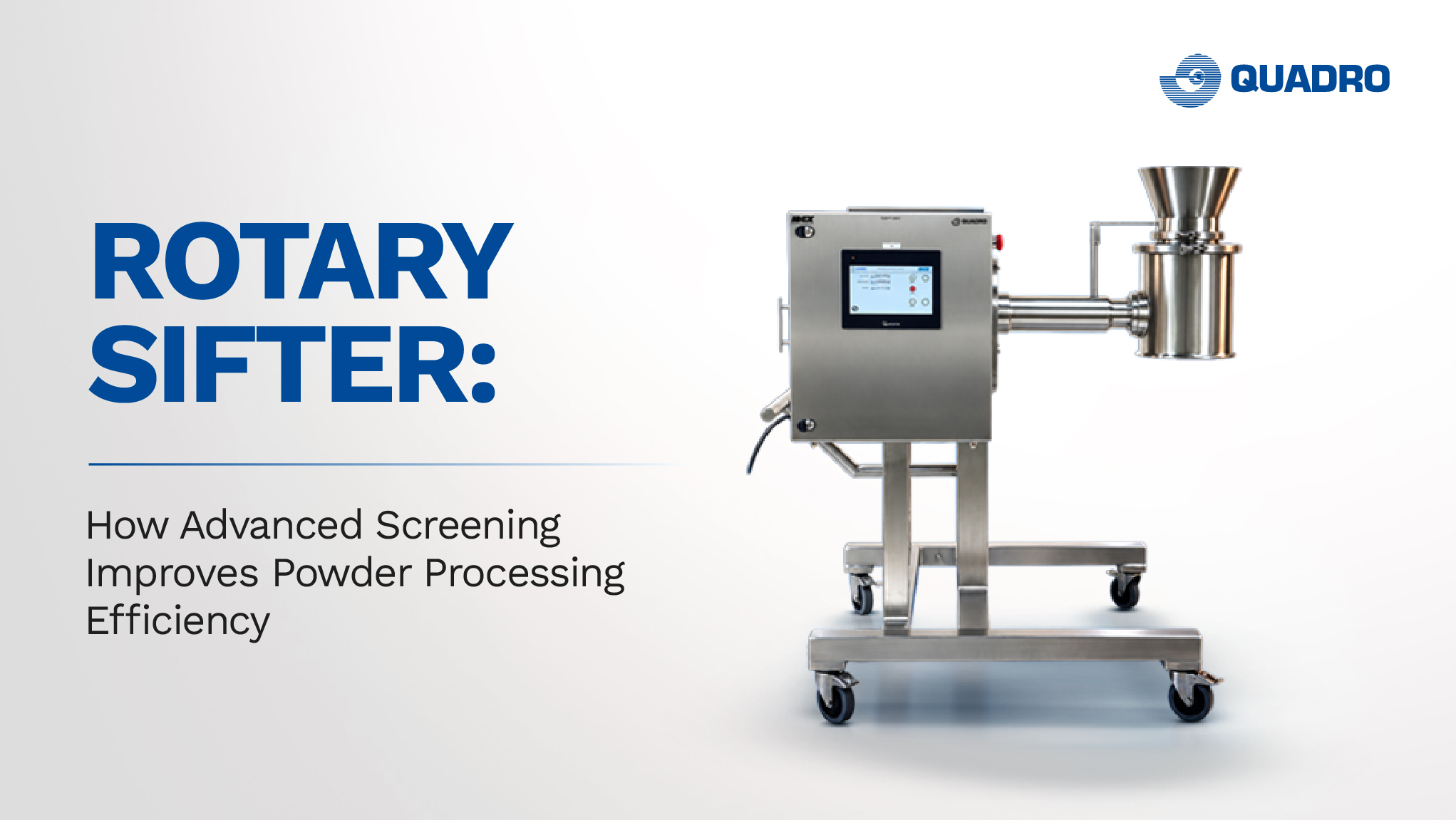
Modern powder manufacturing demands consistency at every stage of production. Whether producing pharmaceutical formulations, food ingredients or speciality chemicals, even minor variations in particle size can affect product quality, process efficiency and regulatory...

by idloginx | Sep 11, 2026 | Quadro
The Importance of Particle Size Reduction: The Direct Answer Understanding why particle size reduction is important in manufacturing comes down to controlling three critical material variables: surface area, flowability, and blend homogeneity. By breaking down raw...
by idloginx | Sep 3, 2026 | Quadro
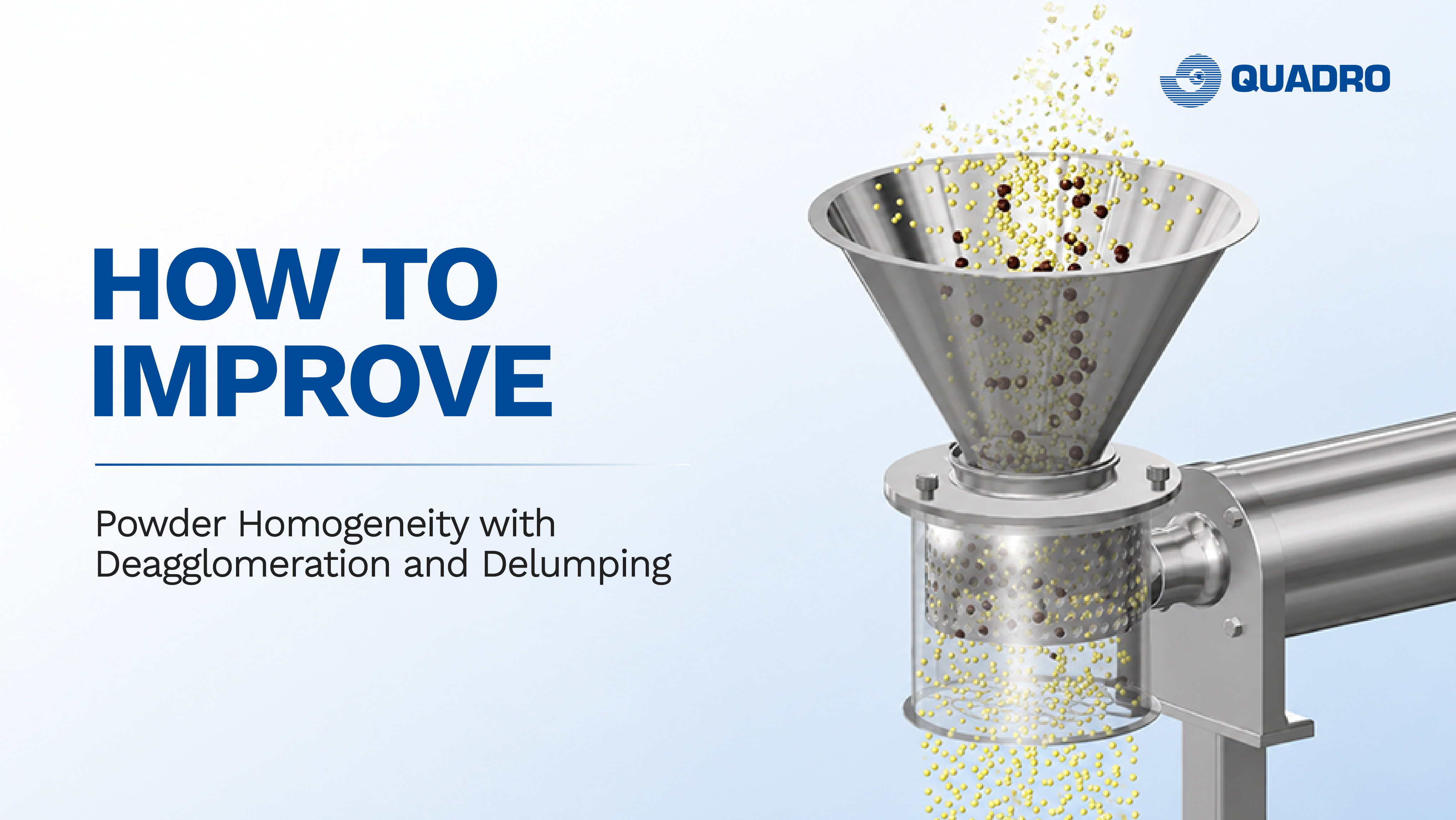
Powder homogeneity depends on how evenly particles and ingredients are distributed before they enter key production stages such as blending, filling, compression, or packaging. When powders contain lumps or soft agglomerates, they do not flow, mix, or dose...
by idloginx | Aug 28, 2026 | Quadro
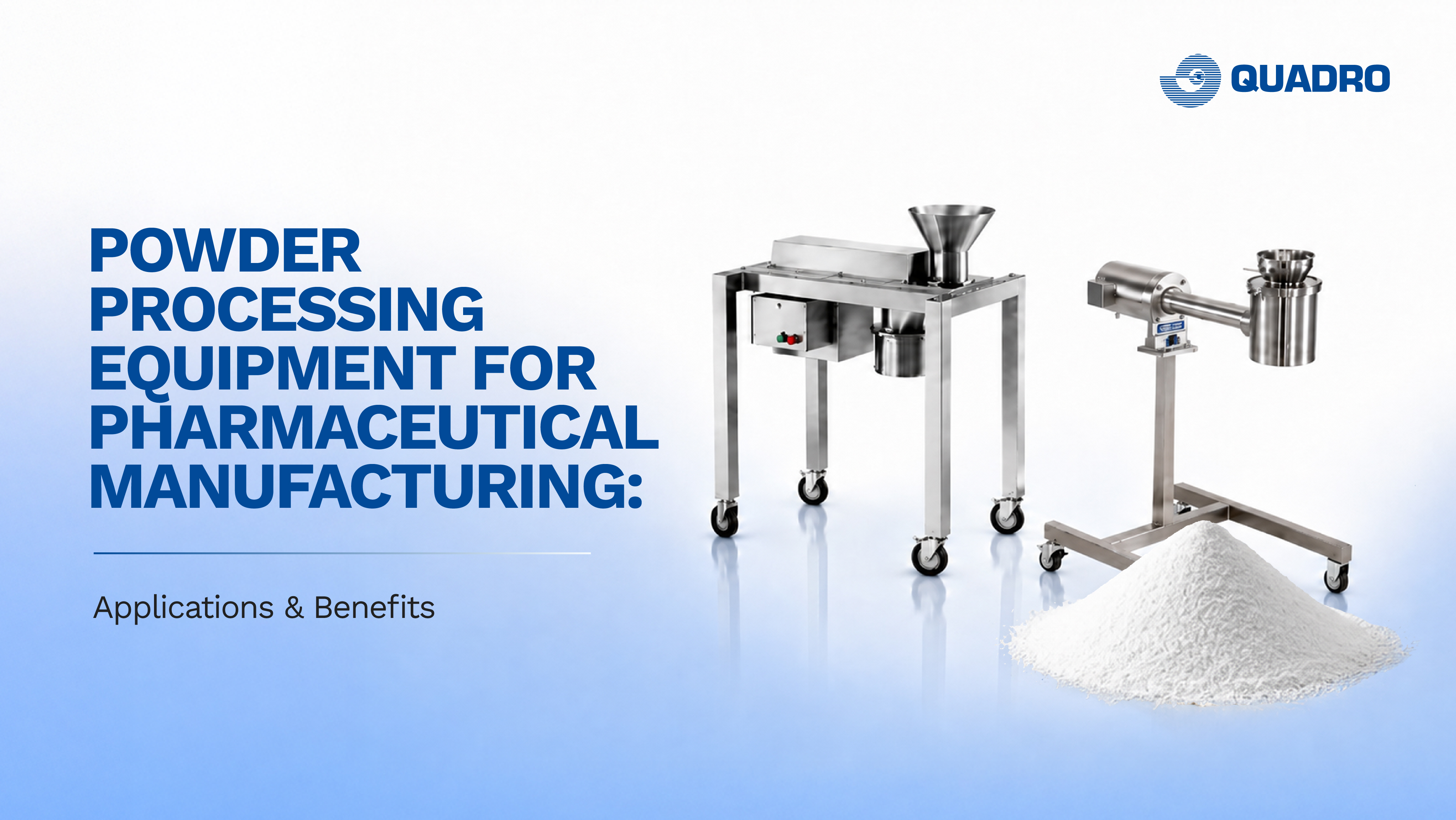
The Impact of Advanced Powder Processing Equipment: The Direct Answer Deploying targeted powder processing equipment for pharmaceutical manufacturing is the definitive mechanism required to eliminate blend segregation, prevent cross-contamination, and guarantee...
by idloginx | Aug 13, 2026 | Quadro
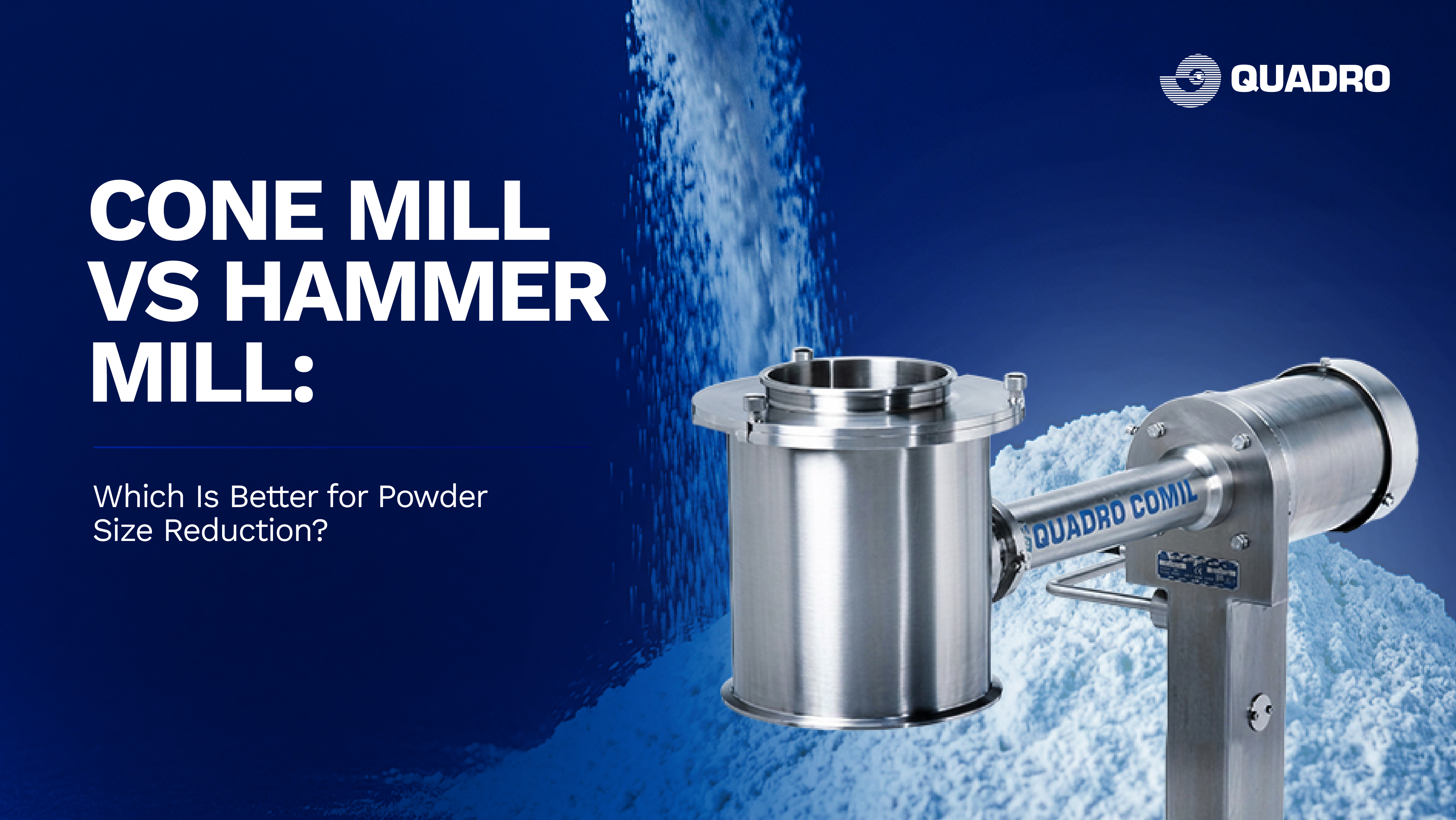
Choosing between a Cone Mill and a Hammer Mill depends on the required particle size, material characteristics, process goals, and industry application. For pharmaceutical powder processing, a cone mill is often preferred when manufacturers need controlled particle...
