
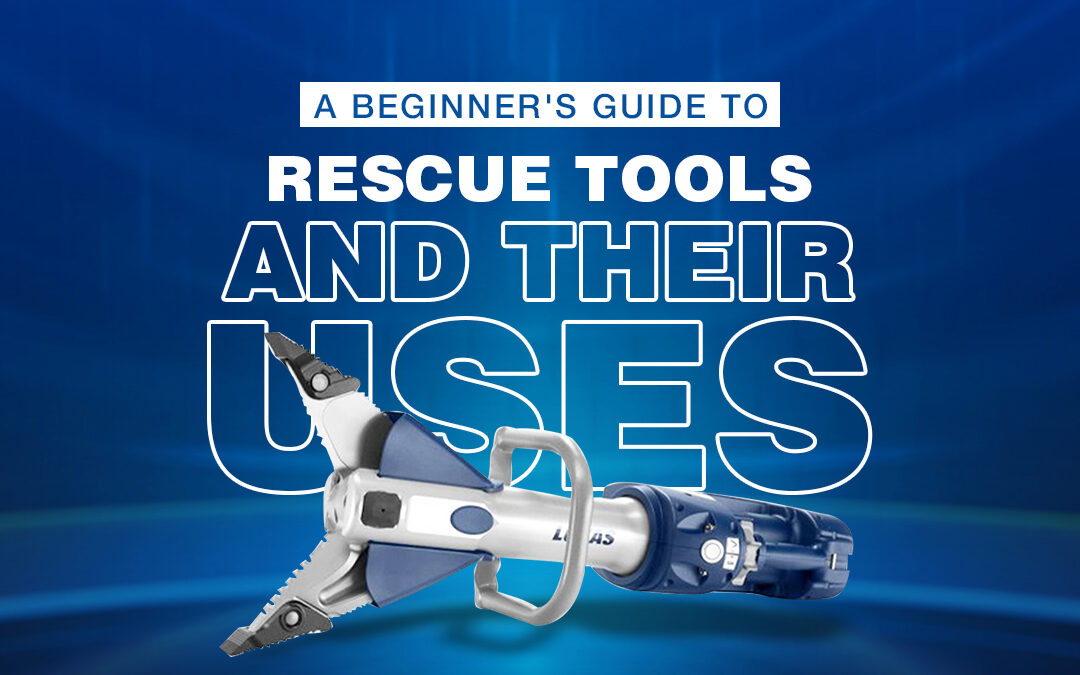
In emergencies, the right tools save lives. Rescue tools are critical for responders. They help in life-saving operations. They reduce damage in crises. These tools are used in car accidents. They are vital during natural disasters. They assist in extrication and stabilization. They ensure safe rescue operations.
This blog explains rescue tools. It covers their types. It highlights key features. It details practical uses. It helps beginners choose the right tools. It provides guidance for different rescue scenarios.
What Are Rescue Tools?
Rescue tools are made for emergencies. They help responders act fast. Their main job is extrication. They free up trapped individuals. They stabilize hazardous environments. They ensure safe operations. These tools handle extreme conditions. They are built for tough situations. They are crucial for rescues.
Importance in Rescue Operations
Rescue tools must be well-maintained. The right tools make a big difference. They can change the outcome of an emergency. Some cut through metal. Others provide lighting in darkness. Each tool serves a vital purpose. Rescuers rely on them to work fast. Proper tools ensure safety. They help rescuers perform efficiently.
Categories of Rescue Tools
Hand Tools
Hand tools are often the first line of action, allowing rescuers to gain immediate access to victims.
- Examples: Pry bars, cutting tools, and bolt cutters.
- Uses: Quick interventions, manual extrication, and initial access.
- Examples: Hydraulic spreaders, cutters, and jacks (often referred to as “Jaws of Life”).
- Uses: Vehicle extrication, structural collapse rescue, and heavy-duty operations.
- Examples: Portable lighting, battery packs, and thermal imaging cameras.
- Uses: Enhancing visibility and providing critical data in low-light or hazardous environments.
- Examples: Two-way radios, GPS devices, and digital mapping systems.
- Uses: Ensuring coordinated efforts and timely response during emergencies.
- Durability and Precision
- IDEX India’s rescue tools are built to withstand harsh conditions and deliver accurate performance.
- User-Friendly Design
- These tools are designed for easy operation, ensuring that rescuers can use them effectively even under pressure.
- Energy Efficiency
- Advanced technology ensures that the tools are energy-efficient, reducing operational costs.
- Safety Features
- Integrated safety features protect both rescuers and victims during operations.
Hydraulic Tools
These tools are powerful. They cut through metal with ease. They handle tough materials effectively. They are crucial in severe accidents. They are vital in building collapses.
Electrical and Lighting Equipment
Good visibility is crucial. Accurate data enhances decisions. Both improve rescue efficiency. Both increase safety in operations.
Personal Protective Equipment (PPE)
PPE is not a traditional tool. It includes helmets, gloves, and eye protection. It is crucial for safe rescues. Proper PPE shields rescuers from hazards. It helps prevent injuries. It ensures they work without risk.
Communication and Navigation Tools
Clear communication is essential in rescues. Navigation tools help teams stay on course. Coordination ensures smooth operations. Teams must work together seamlessly.
Key Features and Benefits of Rescue Tools
Durability and Reliability
Rescue tools must handle extreme conditions. They must endure heavy use without failure. Strong materials ensure lasting performance. Tough construction keeps them reliable. Even in harsh situations, they must work.
Portability and Ease of Use
Easy-to-use tools are crucial in emergencies. Lightweight designs make transport effortless. Ergonomic handles improve grip and control. Quick-connect systems allow fast setup. These features help rescuers work efficiently.
Precision and Efficiency
Modern rescue tools deliver fast and accurate responses. Precision in cutting is crucial for safety. Spreading and prying must be exact. Life-saving situations demand smooth operations. Reliable tools ensure effective rescues.
Safety Enhancements
Built-in safety features protect rescuers and victims. Controlled pressure release prevents sudden movements. Sudden shifts can cause further injury. Safe tools ensure smoother operations.
Applications and Uses of Rescue Tools
Vehicle Extrication
Built-in safety features protect rescuers and victims. Controlled pressure release prevents sudden movements. Sudden shifts can cause further injury. Safe tools ensure smoother operations.
Structural and Urban Rescues
Rescue tools are vital in collapses and industrial accidents. Hydraulic jacks help stabilize structures. Spreaders provide additional support. Cutting tools remove debris. Clearing debris helps reach trapped individuals.
Water and Confined Space Rescues
Challenging environments require specialized equipment. Flooded areas need tools built for underwater use. Tight spaces demand compact and manoeuvrable tools. These tools ensure rescues are safe and effective.
Routine Maintenance and Drills
Regular practice keeps tools in top condition. Maintenance ensures they work during emergencies. Routine drills help spot potential issues early. Regular checks confirm that all equipment is ready.
How to Choose the Right Rescue Tools
Assessing Your Needs
Identify the emergencies you’re most likely to face. Choose tools that match those situations. Understand your specific needs before selecting equipment. The right tools improve efficiency and safety.
Evaluating Performance Specifications
Check the flow rates of each tool. Evaluate the cutting power for tough materials. Ensure durability for long-term use. Know the operational limits before choosing. Matching specifications to rescue needs is crucial.
Ease of Maintenance and Training
Pick tools that are reliable in any situation. Choose ones that need little maintenance. Go for options that work with minimal training. Simple tools boost efficiency. Easy operation reduces the chance of mistakes.
Cost vs. Long-Term Investment
Compare upfront costs with long-term benefits. Consider improved safety and lower maintenance expenses. High-quality tools may cost more at first. They offer greater value over time.
Vendor Reputation and Support
Buy from trusted manufacturers. Choose vendors with strong after-sales support. Reliable brands ensure high-quality tools. Good support keeps tools working well.
IDEX India’s Rescue Tool Solutions
IDEX India makes advanced rescue tools. These include: rescue tools, battery operated rescue tools, battery operated combi tools, and hydraulic rescue tools. Their tools handle tough emergencies. They are built for durability. They offer precision and ease of use.
Key Features and Advantages
IDEX India builds rescue tools for tough conditions. Their tools handle harsh environments with ease. Strong designs ensure reliable performance.
IDEX India offers full training and support. They provide after-sales service for users. Custom solutions are also available. Their customer-first approach ensures proper assistance.
Conclusion
Rescue tools are critical for emergency response. Knowing their types, features, and uses is essential. Choosing the right tools requires careful evaluation. Identify specific needs before making a selection. Check performance specifications for reliability. Ensure tools are easy to maintain. Weigh costs against long-term benefits. Pick a trusted vendor for quality assurance. Proper tools enhance safety and efficiency. Being prepared allows rescuers to act fast. Quick response saves lives and reduces damage.